Caregiver Tools
Cabinet locks for cleaners, meds, and alcohol
Quick answer: Cabinet locks for adults with dementia are a caregiver control for high-risk doors — cleaners, liquor, leftover prescriptions, sharp tools — not a punishment for “being difficult.” You choose which cabinets lock, you keep the keys, and you tell siblings where they live. Start with the highest-risk doors first. Pair alcohol/chemical locks with a separate locking med box for active prescriptions. This is home infrastructure, not a lecture.
As an affiliate I earn from qualifying purchases.
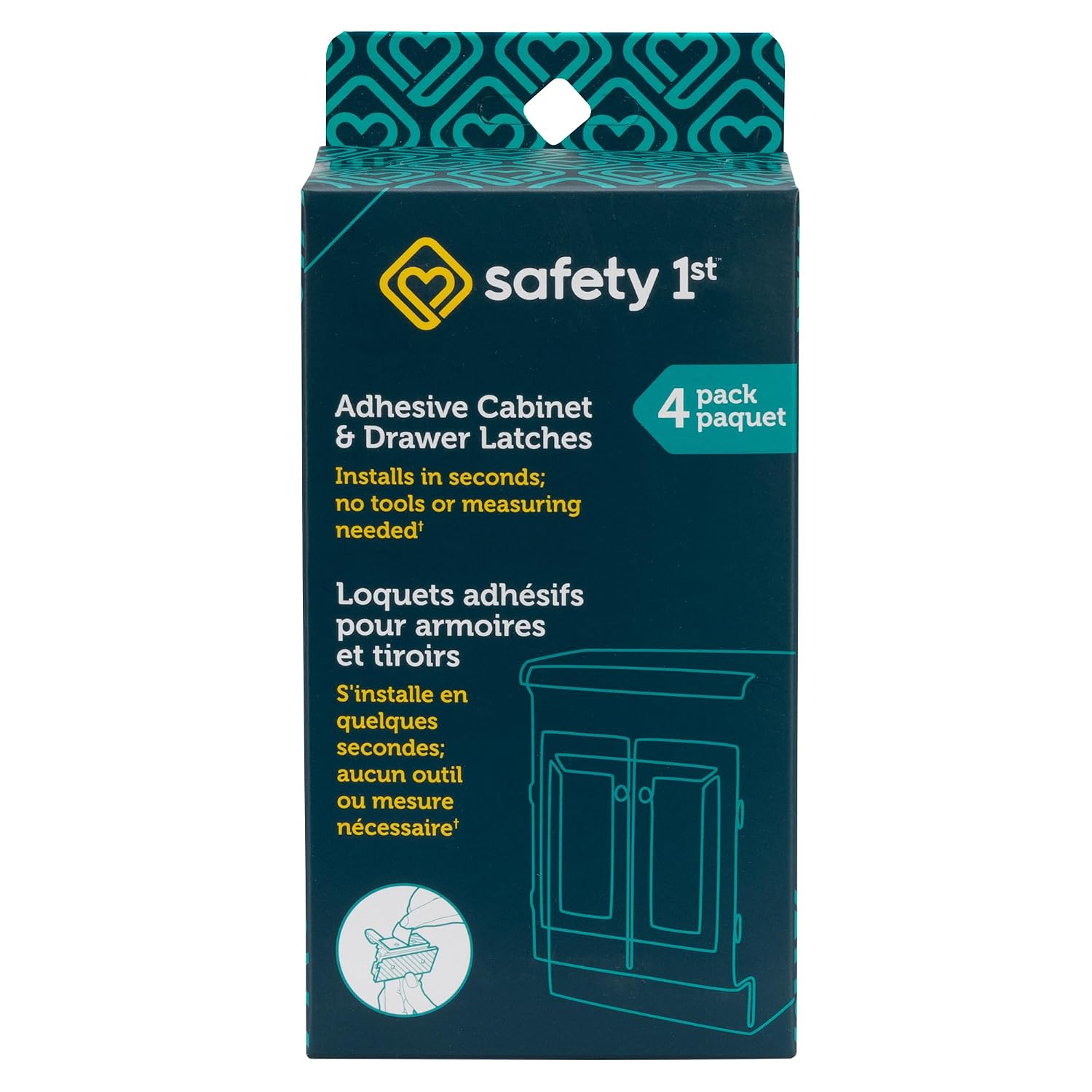
Unsafe cabinets don't announce themselves with a diagnosis. You find the bleach under the sink half-empty. Or the wine bottle that was full on Tuesday is gone by Thursday. Or leftover prescription bottles from three years ago are still in the same drawer as the vitamins.
Cabinet locks are how the caregiver controls access — not how you scold your parent for "being difficult." You decide which doors stay locked: cleaners, liquor, old meds, sharp tools. You keep the keys. The house stops being an open buffet of things that can poison, intoxicate, or cut.
This pairs with the locking med box for active prescriptions. Alcohol and cleaning chemicals are a different cabinet problem. Start with the highest-risk doors first, tell siblings where the keys live, and treat it like infrastructure — not a one-time lecture.
Cabinet Locks — cleaners, liquor, and old meds stay behind a key
Amazon pick
Cabinet Locks
Caregiver-controlled locks for cabinets with cleaners, leftover meds, and alcohol — so access isn't left to chance in a house that used to be open.
ASIN B07PZH65V3
View on Amazon →Start with the free checklist — or the $9 First-Fire Kit
Adult children managing a parent's dementia don't need a shopping cart full of theory. Get the documents list free, or the three first-fire tools for $9.
Free 7 Documents Checklist →Quick questions
Are cabinet locks for adults with dementia different from child locks?
Often the same hardware, different job. The caregiver chooses doors and keeps keys so cleaners, alcohol, and old meds stay controlled.
Should I lock every cabinet?
No. Start with highest-risk doors — bleach and other cleaners, liquor, leftover prescriptions, sharp tools — then expand if needed.
How do cabinet locks relate to a locking medication box?
Active prescriptions usually belong in a dedicated locking med box. Cabinet locks cover chemicals, alcohol, and old bottles that live elsewhere.
Is this medical advice?
No. It is a practical home-safety checklist for adult-child caregivers. Ask a clinician about medical or capacity questions.
This isn't medical, legal, or financial advice — it's practical notes from a caregiver perspective on tools families often buy once the paperwork and day-to-day safety work starts. Product availability and features change; verify the current listing on Amazon. For medical or safety decisions specific to your parent, talk with their clinician or a qualified professional.